Understanding outline numbering can significantly enhance your writing and organization skills. It helps in structuring documents, making them easier to read and follow. This technique is widely used in academic and professional settings.
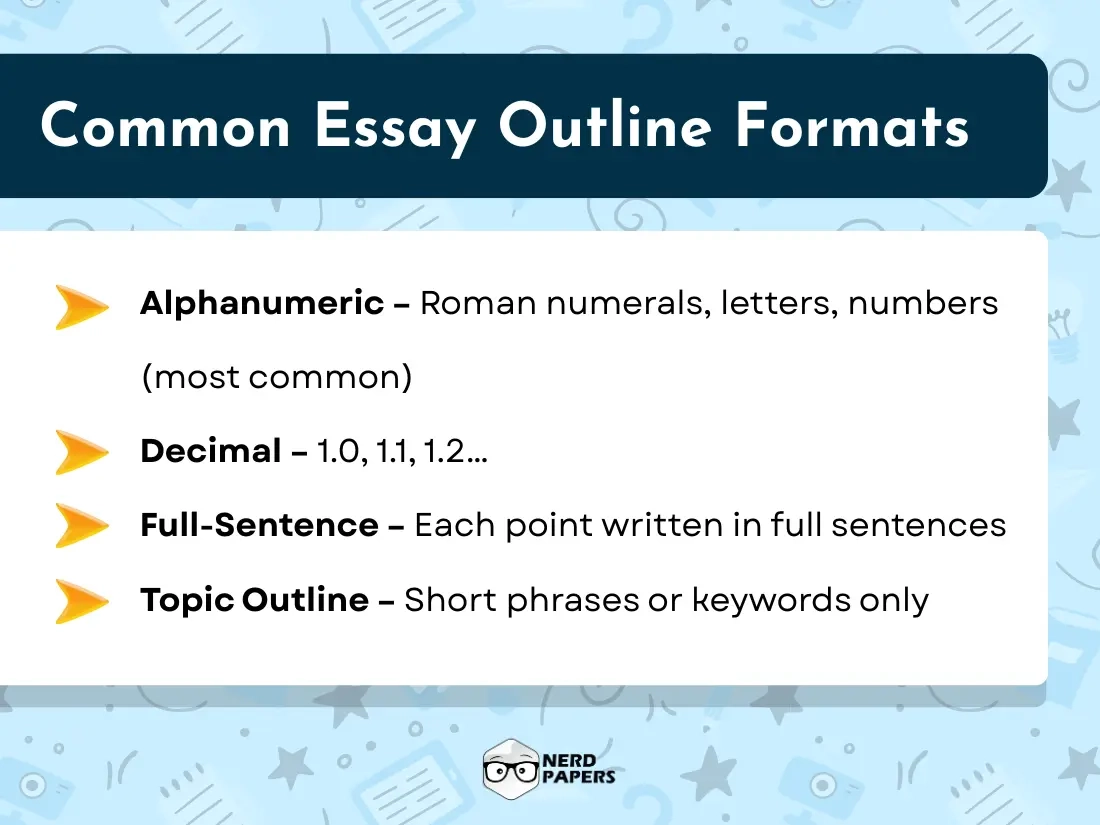
Outline Numbering Meaning And Types
Outline Numbering Meaning And Types
Outline numbering refers to the systematic way of organizing information using numbers or letters. This method allows readers to navigate through sections easily, making complex documents more digestible.
There are several types of outline numbering. The most common include decimal, alphanumeric, and hierarchical systems. Each type serves a unique purpose depending on the complexity of the content being presented.
Decimal numbering is often used in technical documents, providing a clear structure. Alphanumeric outlines combine letters and numbers, suitable for essays or reports. Hierarchical outlines emphasize relationships between sections, ideal for detailed projects.
Choosing the right outline numbering type can streamline your writing process. It not only enhances readability but also helps you stay organized while presenting your ideas effectively.
In conclusion, mastering outline numbering is essential for effective communication. By understanding its meaning and types, you can improve your writing skills and create well-structured documents that engage your audience.
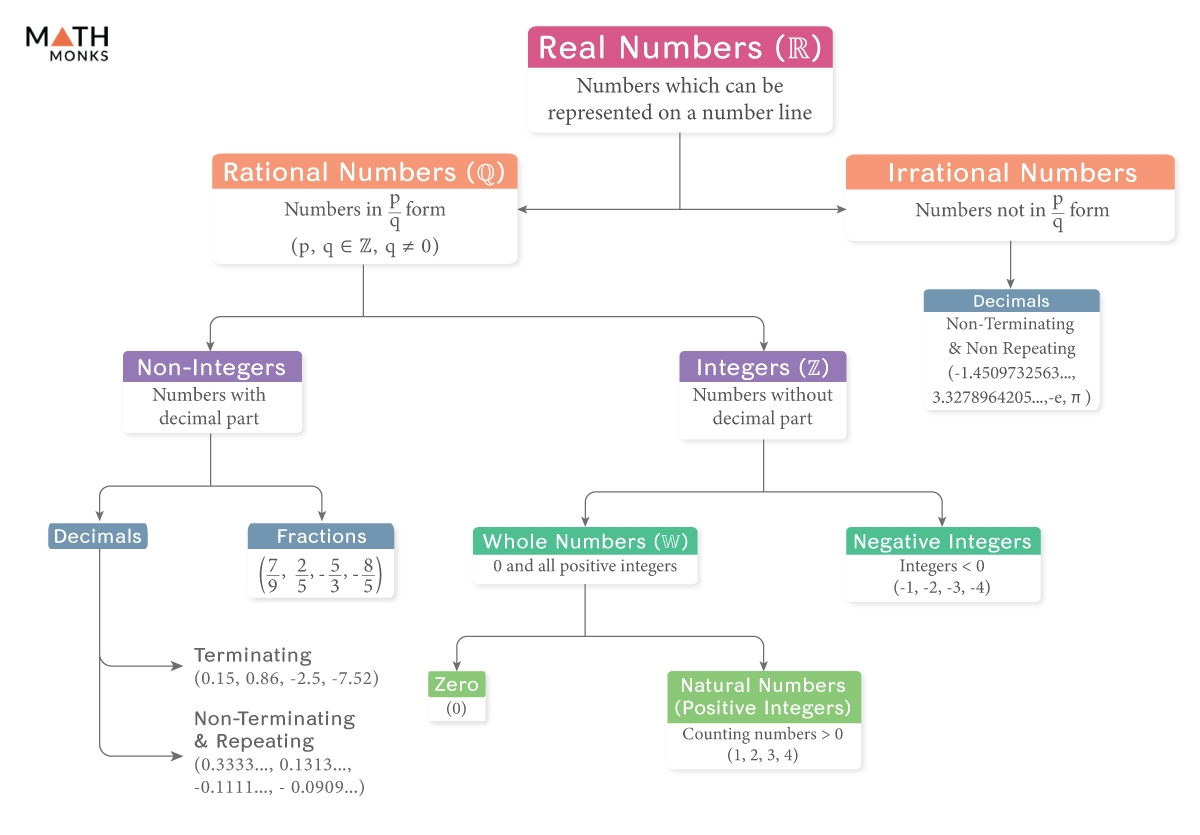
Real Numbers Definition Symbol Properties Chart amp Examples
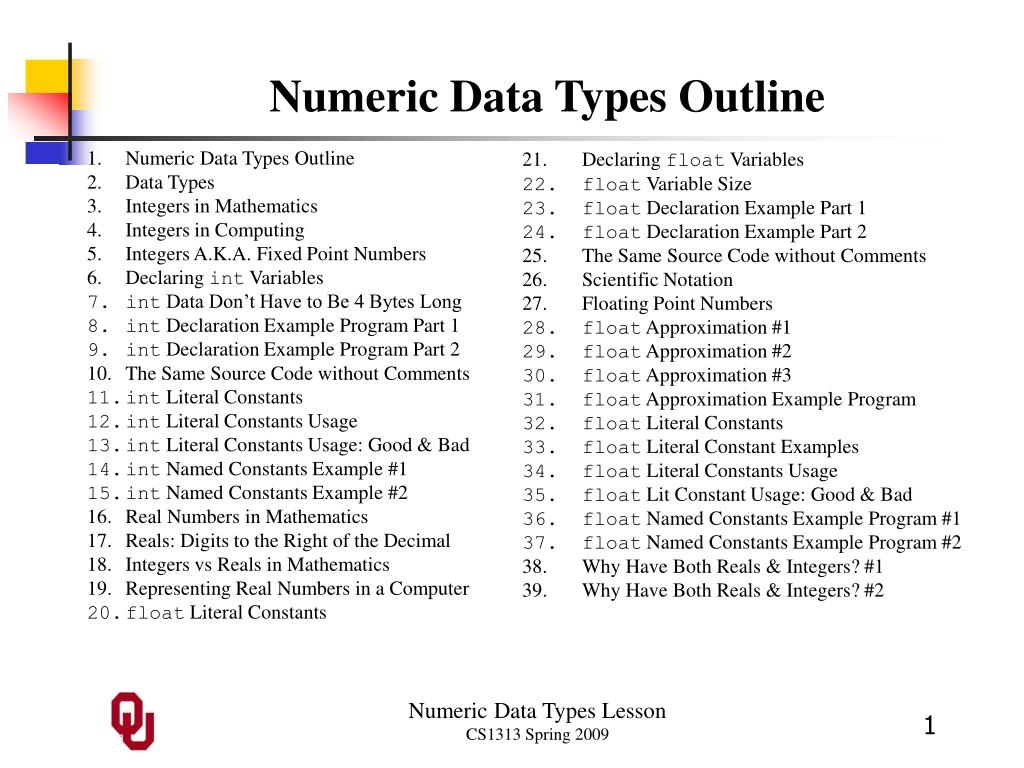
PPT Numeric Data Types Outline PowerPoint Presentation Free
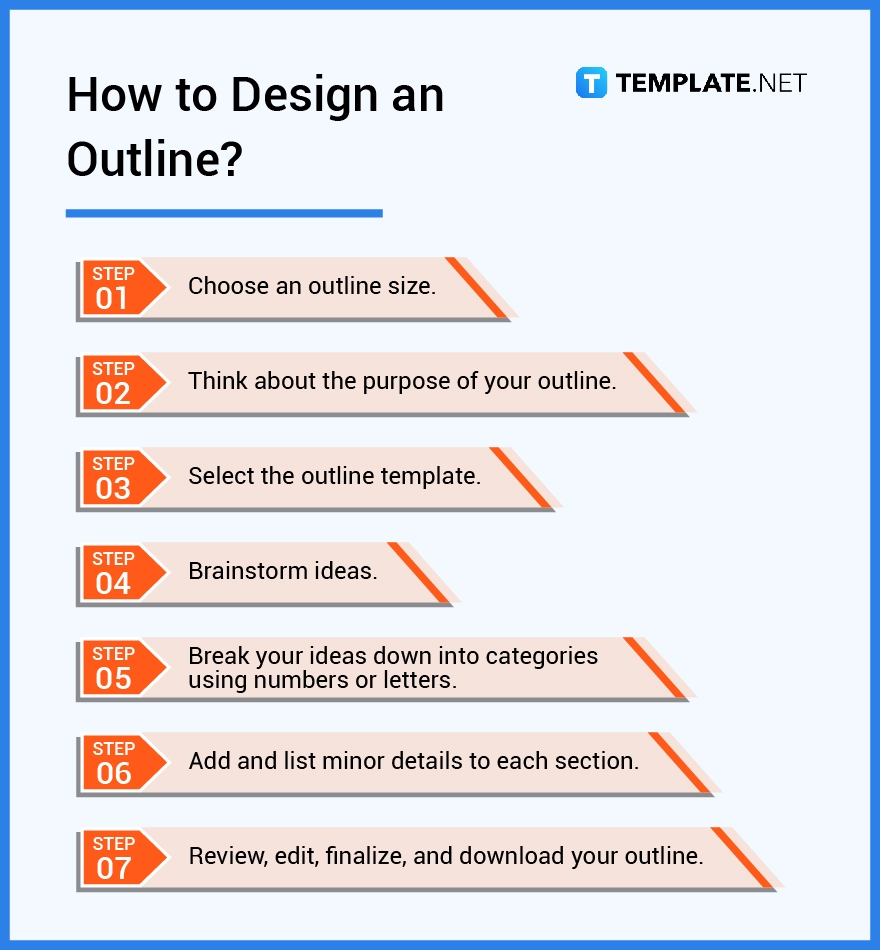
Outline What Is An Outline Definition Types Uses
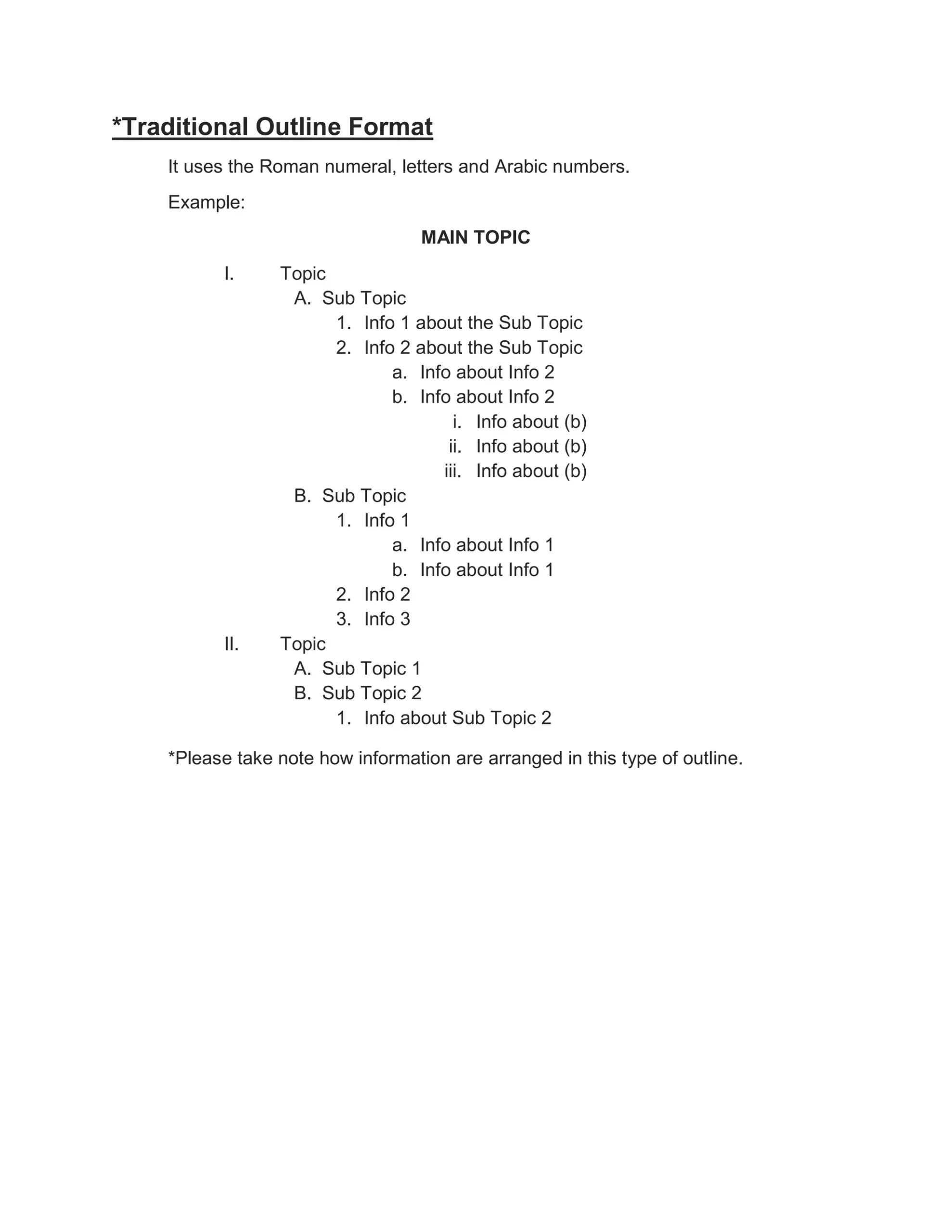
Types Of Outline PDF
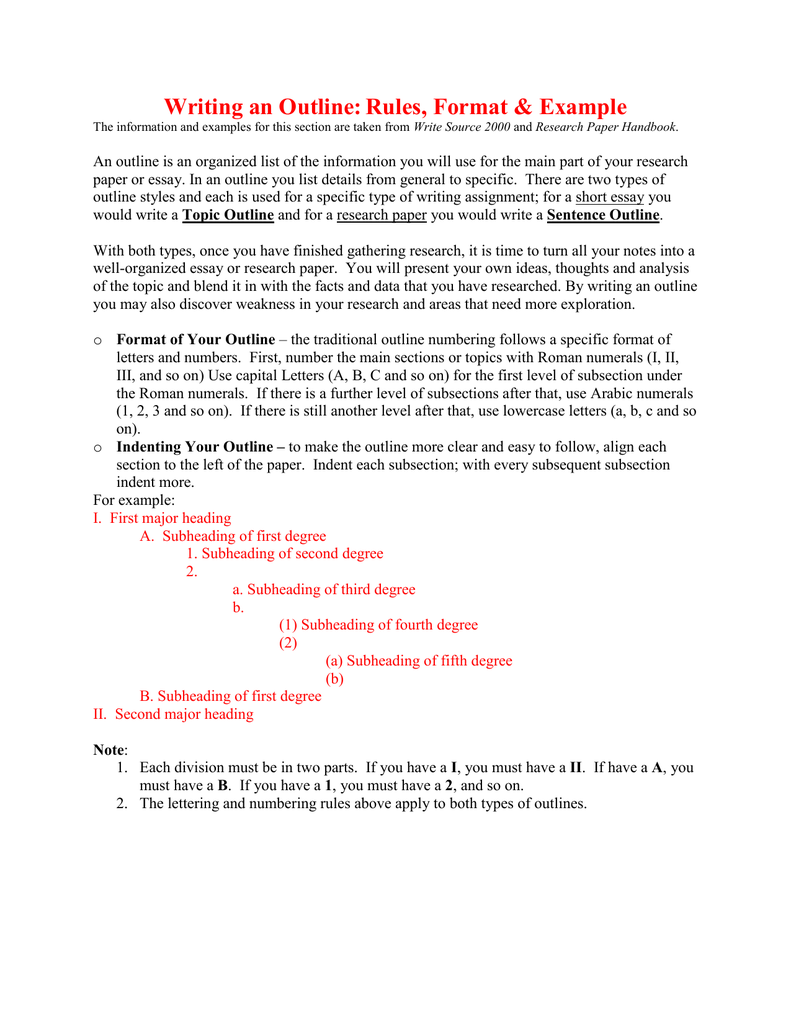
Writing An Outline Rules Format amp Examples